Empowering Teachers Through Effective Classroom Management
By Ms. Anupa Bomjan Fitzpatrick, Teachers’ Trainer & Head of the English Department, Modern Indian School, Kathmandu, Nepal
When we talk about classroom management, it’s easy to imagine charts, routines and discipline strategies. But for me, it has always been more personal.
It’s about the little moments: listening to a child’s story before class begins, noticing the quiet one at the back, or finding ways to turn chaos into curiosity.
Over the years, I’ve learned that classroom management isn’t just about control. It is about creating a space where students feel safe enough to learn and teachers feel confident enough to guide.
Why Does It Matter?
When you walk into a well-managed classroom, you feel it instantly. The atmosphere is calmer, students are focused and there is a rhythm to the learning.
Without it, lessons derail, time slips away and stress builds. With it, students thrive and teachers breathe easier.
I’ve lost hours to disruptions before. But I’ve also seen how a few proactive strategies, such as clear routines or engaging activities, can reclaim that time and turn it into meaningful learning.
“Classroom management isn’t just about control. It is about creating a space where students feel safe enough to learn.”
Punishment or Partnership?
I’ve tried both.
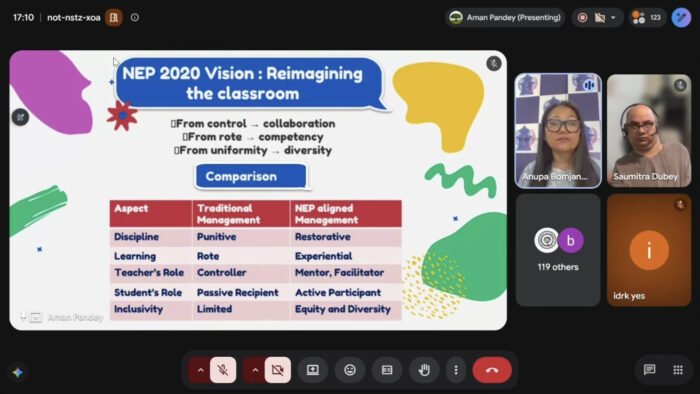
The punitive approach: a child is sent outside for talking too much.
The restorative approach: the teacher sits down with the child, asks why, listens and helps the child reflect.
The second approach may take longer, but it builds lasting trust.
And trust is the foundation of every classroom.
The Challenges
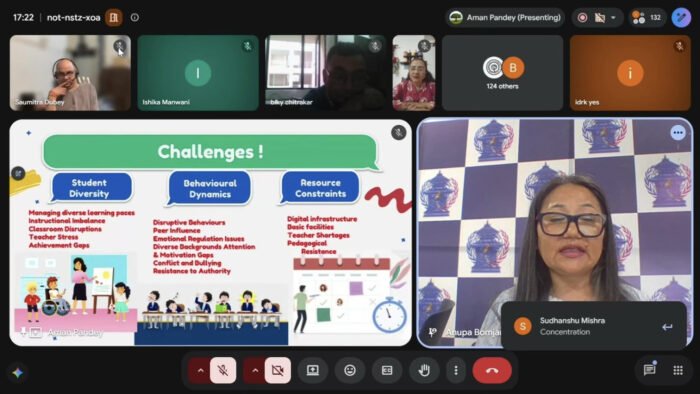
Let’s be honest. Managing a classroom isn’t easy. Every teacher knows the weight of it.
- Some students fly ahead while others struggle to keep up.
- One disruptive voice can ripple through the entire room.
- Resources are often scarce, especially in schools that need them most.
And in the middle of it all, you are balancing expectations, emotions and the fear of failing someone.
What Helps?
Over the years, I have used a few strategies that can make a real difference.
- Differentiate: Give tasks at different levels so every child feels challenged, but not overwhelmed.
- Move: Walk around the classroom, check in and redirect gently before situations escalate.
- Engage: Use projects, discussions and role plays to make learning feel alive.
- Collaborate: Work with families, colleagues and specialists. Teaching is never a solo act.
- Blend: Use technology where possible, but always keep learning human.
The Teacher’s Role
We set the tone.
Every day, the way we walk into the classroom matters. The greeting at the door, the way we call a student by name, and the patience in our voice when someone struggles all matter.
We are not just relationship builders, role models or steady presences in theory. We live those roles in the small, ordinary moments that shape our students’ lives.
I’ve seen it firsthand. A child who doubted her abilities began to try again simply because I celebrated her smallest progress.
These are not grand gestures. They are daily choices.
Being a teacher means carrying faith for every student, even when they do not yet carry it for themselves.
It means slowing down without lowering expectations, breaking lessons into smaller steps and reminding students that progress is progress, no matter how long it takes.
It means being the calm in their storm, the steady hand when they falter and the voice that says, “I believe in you.”
“Being a teacher means carrying faith for every student, even when they do not yet carry it for themselves.”
The teacher’s presence as a human being, both patient and unwavering, is what can turn chaos into calm, confusion into clarity and hesitation into confidence.
Remember This
There are no slow learners, only learners who have not yet been taught in a way their brain understands.
When you stand before a child who struggles to grasp a concept while peers advance with ease, the weight of responsibility can feel very real.
The syllabus presses forward. Parental expectations linger. The rhythm of the classroom continues.
And yet, a quiet question may arise:
Am I failing this child?
It is time to reframe that thinking.
A child who learns at a slower pace is not deficient. They may simply engage with knowledge through a different lens.
True understanding often begins when confidence opens the door.
Keep the goal high, but be willing to adjust the path with wisdom and care.
Break each concept into smaller, clearer steps and guide learners gently towards understanding.
Do not rely on words alone. Show, act, draw, and let them touch and feel, because learning often becomes stronger when it engages the senses.
Repetition strengthens memory, and every victory, however small, deserves recognition.
Teach children the courage to ask questions, because inquiry is the seed of growth.
These children do not lack intelligence. They need strategies, empathy and faith.
When we give them these, they can astonish us with progress that is both profound and inspiring.
Keep the goal high, but be willing to adjust the path.
About the Author
Ms. Anupa Bomjan Fitzpatrick Teachers’ Trainer and Head of the English Department Modern Indian School, Kathmandu, Nepal
Email: anniefitzpa1@gmail.com Instagram: @annieanupa YouTube: f8thful2u4ever LinkedIn: Anupa Bomjan-Fitzpatrick
Continue Learning with GBTC Trust
At GBTC Trust, we believe that supporting teachers is just as important as supporting students.
As part of our commitment to continuous learning, we conduct Professional Development Sessions for educators on the last Friday of every month. These sessions bring together teachers, trainers and education professionals to exchange ideas, learn practical strategies and grow together.
If you are an educator and would like to be part of these sessions, join the GBTC Professional Development WhatsApp Group to receive updates on upcoming topics, speakers and session details.
Join the Professional Development Group: https://chat.whatsapp.com/JHDaizo1jNSGSkcf2t0Dyt?mode=gi_t
Because stronger teachers build stronger classrooms, and stronger classrooms create stronger futures.